India’s economic trajectory is nothing short of remarkable. With the International Monetary Fund (IMF) projecting a stellar 6.3% GDP growth for 2024—significantly outpacing major global economies—India stands as the undisputed leader in economic expansion worldwide. This extraordinary growth, combined with projections that India will become the world’s third-largest economy by 2027, creates an unprecedented landscape of opportunities, particularly in the educational technology sector.
The Numbers That Tell the Story
The stark contrast in growth rates paints a clear picture of India’s economic dominance. While traditional economic powerhouses like Germany (0.9%), Japan (1.0%), and Russia (1.1%) struggle with modest growth, and even major economies like the United States (1.5%) and China (4.2%) lag significantly behind, India’s 6.3% growth rate represents more than just numbers—it represents a fundamental shift in global economic dynamics.
This growth differential isn’t merely impressive; it’s transformative. When an economy of India’s scale grows at such a pace, it creates ripple effects across every sector, from infrastructure and manufacturing to services and technology. For companies operating in the educational technology space, these numbers translate into expanding markets, increased digital adoption, and a rapidly growing middle class hungry for quality education and skills development.
The Digital Learning Revolution Accelerates
India’s economic surge coincides with a digital transformation that’s reshaping how education is delivered and consumed. The country’s massive population of over 1.4 billion people, combined with increasing internet penetration and smartphone adoption, creates the world’s largest potential market for educational technology solutions. As disposable incomes rise with economic growth, families are increasingly investing in quality education and skill development for their children and themselves.
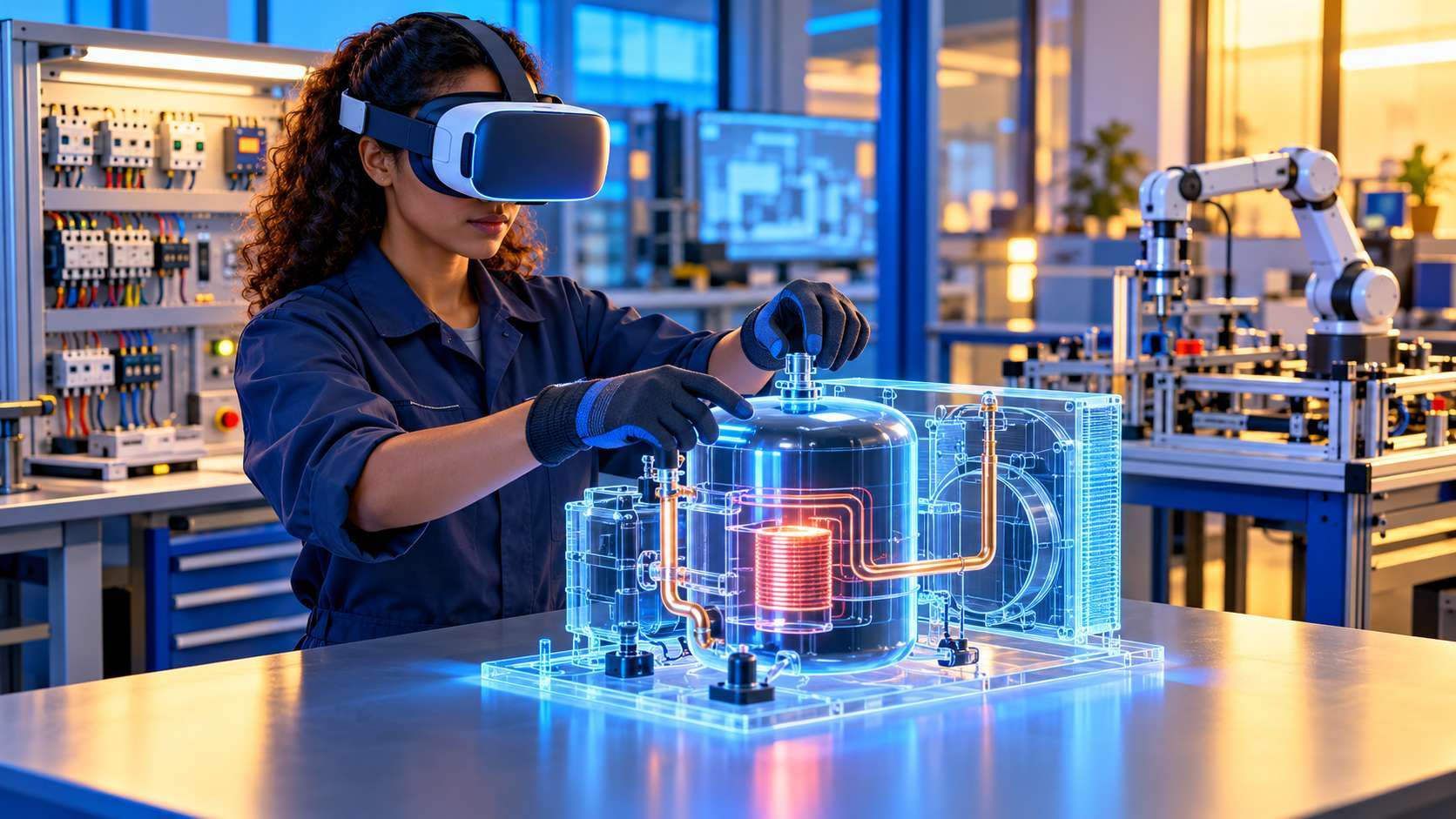
The convergence of economic growth and digital adoption creates unique opportunities for immersive learning technologies. Virtual and augmented reality solutions, which were once considered luxury educational tools, are becoming increasingly accessible to Indian institutions and learners. This shift represents a massive market opportunity for companies like EON Reality that specialize in immersive learning experiences.
Corporate Training and Skill Development Surge
India’s rapid economic growth is largely driven by its services sector, manufacturing expansion, and technological innovation. This growth creates an unprecedented demand for skilled workers across industries. Traditional training methods are proving inadequate to meet the scale and speed of skill development required by India’s booming economy.
Organizations across India are recognizing that immersive training technologies can dramatically reduce training time while improving learning outcomes. From manufacturing companies needing to train workers on complex machinery to IT companies requiring rapid onboarding of new hires, the demand for effective, scalable training solutions is exploding. Virtual reality training programs can simulate real-world scenarios without the costs and risks associated with traditional training methods.
Government Initiatives Fuel EdTech Adoption
The Indian government’s commitment to digital education and skill development further amplifies these opportunities. Initiatives like Digital India, Skill India, and the National Education Policy 2020 are creating a supportive ecosystem for educational technology adoption. Government spending on education and skill development is increasing, and there’s a clear policy push toward integrating technology into learning environments.
These policy frameworks are particularly favorable for immersive learning technologies that can demonstrate clear learning outcomes and skill development metrics. The government’s focus on measurable skill development aligns perfectly with the capabilities of VR and AR training platforms that can track learner progress and competency development in real-time.
The Infrastructure Advantage
India’s economic growth is accompanied by massive infrastructure investments that create the foundation for widespread educational technology adoption. Improved internet connectivity, increasing availability of high-speed broadband, and growing smartphone penetration create the infrastructure necessary for immersive learning solutions to reach even remote areas of the country.
The rise of 5G networks across India will further accelerate this trend, enabling more sophisticated VR and AR applications that require high bandwidth and low latency. This infrastructure development means that immersive learning solutions can now reach markets that were previously inaccessible due to technical limitations.
Future Outlook: Sustained Growth and Expanding Opportunities
India’s path to becoming the world’s third-largest economy by 2027 isn’t just about GDP numbers—it represents a fundamental shift in global economic power that will reshape markets worldwide. For educational technology companies, this presents a multi-year growth opportunity that extends far beyond traditional education into corporate training, skill development, professional certification, and lifelong learning.
The sustained nature of India’s growth, supported by demographic advantages, technological innovation, and policy support, suggests that the opportunities in educational technology will continue expanding. Companies that establish strong positions in the Indian market now are positioning themselves for decades of growth as the economy continues its upward trajectory.
As India’s economy grows and modernizes, the demand for innovative educational solutions will only intensify. The combination of economic prosperity, digital adoption, government support, and infrastructure development creates an environment where educational technology companies can not only succeed but thrive on an unprecedented scale.
The data is clear: India isn’t just growing—it’s leading global economic expansion. For companies in the educational technology sector, the question isn’t whether to engage with the Indian market, but how quickly and effectively they can scale their presence to capitalize on what may be the greatest educational technology opportunity of our generation.